
Industries · Food production & cold storage
Fire detection for food production & cold storage
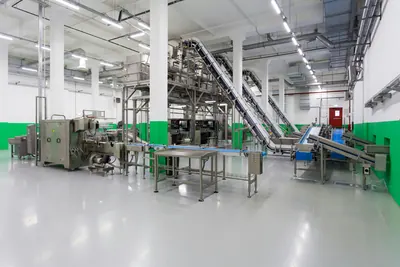
Food plants combine heat, steam, dust and sub-zero rooms under one roof. We match the detection to each area, so you get early warning without nuisance alarms stopping the line.
The risks
What makes these buildings different
Cold rooms and freezers
Condensation and low temperatures affect standard detectors, and insulated panel construction can let a fire spread out of sight.
Cooking, frying and drying
Process heat and cooking oil create a real ignition risk right next to production equipment.
Steam and dust
Washdowns, steam and product dust cause false alarms when the wrong type of detector is used.
What we recommend
Systems suited to your site
Every site is different. We assess yours and recommend the right combination.
Aspirating smoke detection
The detector sits outside the cold room while pipework samples the air inside, which suits freezers and keeps maintenance simple.
Learn moreConventional or addressable systems
Chosen to suit the size of the site, with detector types matched to each area of the plant.
Learn moreOptical beam detection
For high-roof storage, dispatch and packing areas.
Learn moreMaintenance & servicing
Scheduled servicing that works around production shifts and hygiene requirements.
Learn moreCompliance
Certified from design to handover
Systems are designed to SANS 10139 and handed over with design, installation and commissioning certificates, which auditors and insurers will ask to see.
- Design, installation and commissioning certificates
- System logbook and device layout drawings
- Six-monthly servicing with reminders and service certificates
Request a quote or book a service today.
Tell us about your site and we’ll recommend the right system, schedule and paperwork.
Frequently asked questions
How do you detect a fire inside a freezer?
We usually recommend aspirating smoke detection. The detection unit is mounted outside the cold room and draws air through small sampling pipes, so the electronics are never exposed to the cold.
We keep getting false alarms in production. Can you fix this?
Often, yes. False alarms usually come from the wrong detector type in steamy, dusty or hot areas. We assess the site and replace or relocate devices so the system stays reliable.
Can servicing be done without stopping production?
Yes. We schedule services around your shifts and test the system area by area, coordinating with your team so production can carry on.